.jpg&w=3840&q=75)
What Exactly Is Botox and How Does It Work?
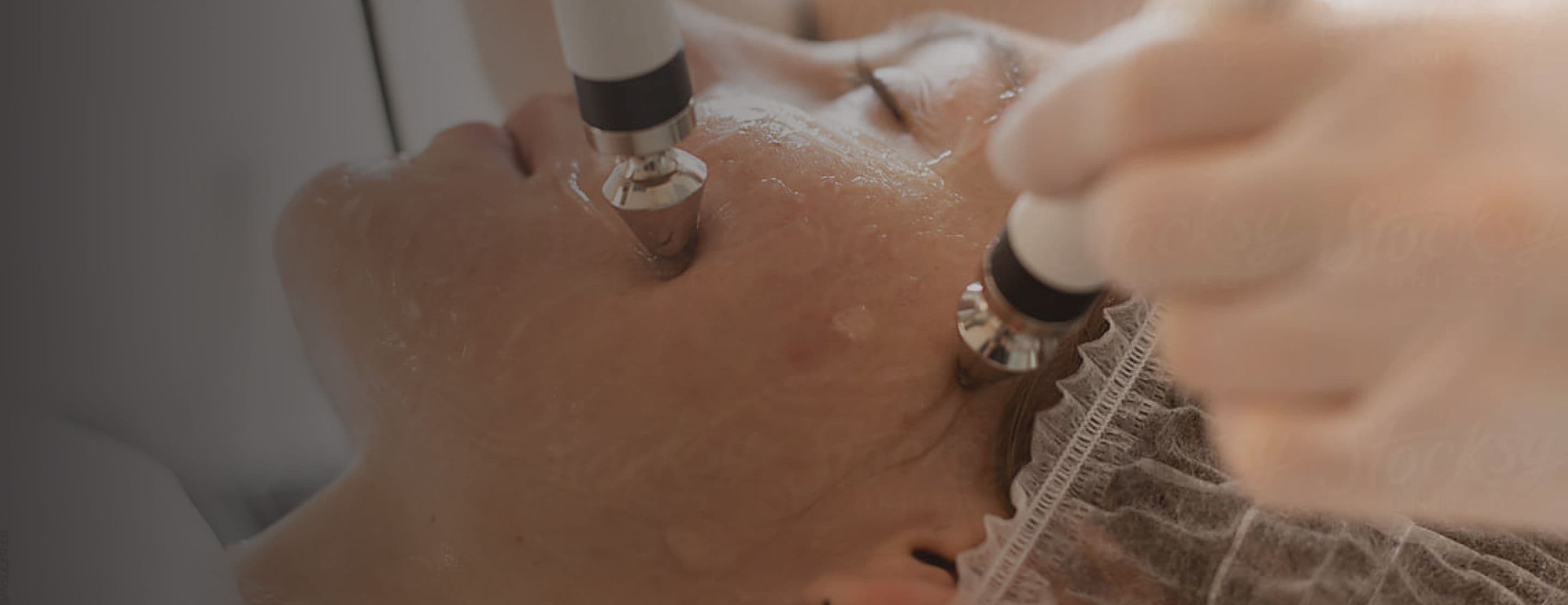
BOTOX® Cosmetic is an FDA-approved neurotoxin that temporarily relaxes targeted facial muscles responsible for repetitive expressions like frowning, squinting, and raising your eyebrows. Over time, these muscle movements contribute to wrinkles including forehead lines, frown lines between the eyebrows, and crow's feet.
When Botox is injected into the targeted muscles, it temporarily reduces the muscle movement. This allows the skin to appear smoother while helping prevent wrinkles from becoming deeper in the future.
The goal isn't to look frozen, but rather to soften unwanted lines while maintaining natural facial expression.
What Areas Can Be Treated with Botox?
Botox is commonly used to soften facial expression lines while maintaining natural movement.
Popular treatment areas include:
- Forehead lines
- Frown lines ("11s")
- Crow's feet
- Bunny lines
- Lip flip
- Chin dimpling
- Downturned corners of the mouth
- Gummy smile
- Neck bands
Botox is also frequently used for therapeutic concerns, including:
- TMJ and jaw clenching
- Chronic migraines
- Excessive sweating (hyperhidrosis)
During your consultation, your provider will create a personalized treatment plan based on your facial anatomy and goals.
How Many Units of Botox Do I Need?
There isn't a one-size-fits-all approach because everyone has different facial anatomy, muscle strength, and aesthetic goals.
For reference, Allergan recommends approximately 64 units for a full upper-face treatment, including:
- 20 units for the forehead
- 20 units for frown lines (glabella)
- 24 units for crow's feet
Some patients may need fewer units for a softer result, while others with stronger facial muscles may benefit from more. Your provider will recommend the appropriate number of units during your consultation to create balanced, natural Botox results.
.jpg&w=3840&q=75)
What Should I Avoid After Botox Injections?
Following your appointment, there are a few simple guidelines to help ensure the best possible results.
For the first several hours after treatment, you should avoid:
- Lying down
- Strenuous exercise
- Rubbing or massaging the treated areas
- Saunas or hot tubs
- Alcohol, which can increase the likelihood of bruising
Most patients return to work and normal daily activities immediately after their appointment.
When Will I See Results After Getting Botox?
Most patients begin noticing improvements within a few days after treatment. Lines continue to improve, with full results typically visible around 10 to 14 days after treatment.
If you're new to Botox or making adjustments to your treatment plan, your provider may recommend a follow-up appointment to evaluate your results and determine whether any adjustments are needed.
How Long Does Botox Last?
For most patients, Botox results last approximately 3 to 4 months.
Over time, muscle movement gradually returns, and wrinkles may slowly begin to reappear. Routine maintenance appointments every few months help preserve your results and prevent deeper wrinkles from forming.
Many patients find that getting treatments once per quarter allows them to maintain smoother skin year-round.
What's the Difference Between Botox, Dysport, and Daxxify?
Botox, Dysport, and Daxxify are all FDA-approved neurotoxins that work by temporarily relaxing facial muscles.
The primary differences come down to their formulation, onset of results, and patient preference.
- BOTOX® Cosmetic was the first FDA-approved cosmetic neurotoxin and remains one of the most recognized injectable treatments worldwide.
- Dysport® has a slightly different formulation and often begins working a little sooner for some patients. This makes it a popular choice for those looking for a quicker onset before an event.
- DAXXIFY® is formulated with peptides and is the only vegan-friendly neurotoxin.
At Revive Med Spa, we offer all three of these neurotoxins. Our experienced injectors will help determine which option is best for your anatomy, lifestyle, and aesthetic goals.
How Soon Before an Event Should I Get Botox?
If you're preparing for a wedding, vacation, photoshoot, or any other special event, you should schedule your Botox appointment at least two weeks in advance.
If it's your very first appointment, we recommend scheduling even earlier so you have time to make adjustments at your follow-up appointment if needed.
Is Botox Right for Me?
If you're considering Botox for the first time, the best place to start is with a consultation. Our team will discuss the neurotoxin options at Revive and create a personalized treatment plan tailored to your goals.
Whether you're looking to prevent early signs of aging or soften existing wrinkles, we'll help you achieve natural-looking results that leave you looking refreshed and feeling confident.